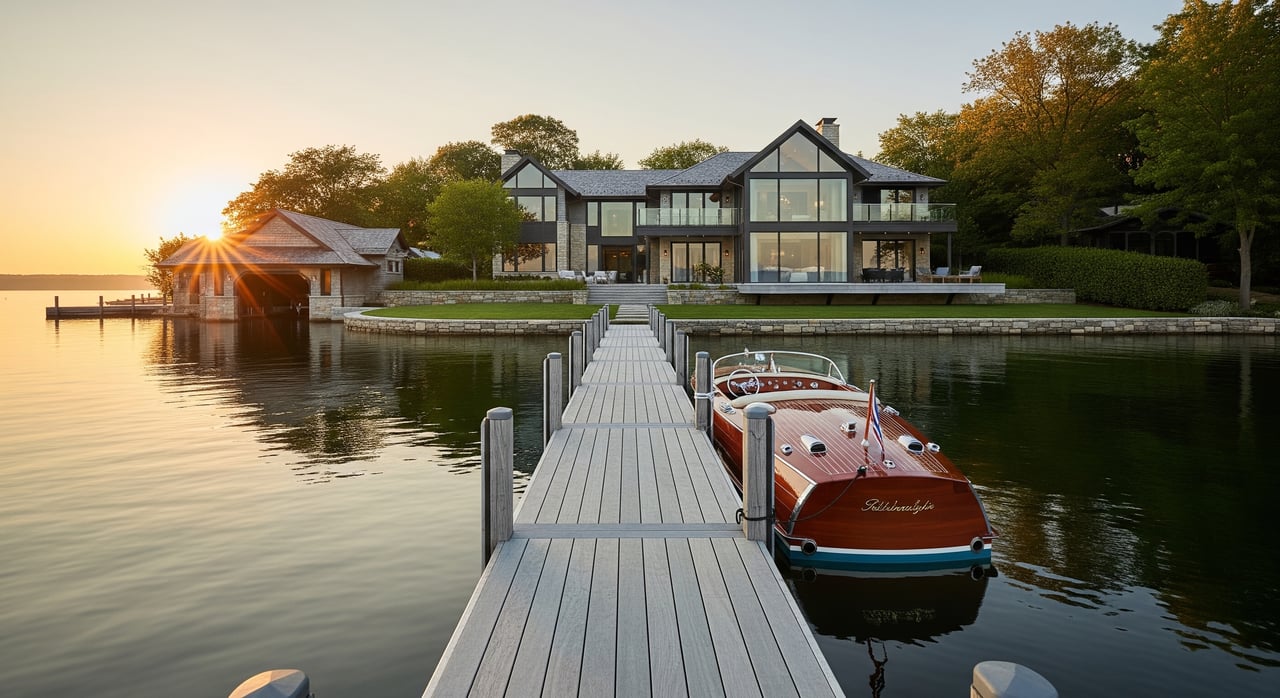
Ever wonder what it feels like to wake up to open water and the soft sound of boats easing out at sunrise? In Lake Geneva, you get a true four-season lake community with lively summers, peaceful winters, and a day-to-day rhythm that feels a world away from busy suburbs. If you are weighing a lakefront move or a second home here, you likely want to know how daily life, costs, and rules compare to living inland. This guide walks you through lifestyle, seasons, home options, upkeep, permits, and practical steps so you can decide with confidence. Let’s dive in.
Waterfront lifestyle
Living on Geneva Lake puts outdoor time at the center of your routine. True waterfront homes often include private docks, wide views, and easy boat access. Mornings can mean coffee on the deck, a quick paddle or swim, and launching for a calm cruise before the midday activity starts. Entertaining often happens outside with friends moving between the kitchen, patio, and pier.
Waterfront-adjacent neighborhoods give you a short walk to public beaches, marinas, or the public Geneva Lake Shore Path. You still enjoy the water on your schedule, just with less dock responsibility and often a lower purchase price compared with direct waterfront.
Boating and sailing shape warm-weather days. You will see families learning to sail, skiers at first light, and small-craft paddlers in calmer coves. Fishing and shoreline walks are common without planning a full day. The Geneva Lake Shore Path lets you walk along much of the shoreline, which many locals use for daily steps or weekend strolls.
Seasons on Geneva Lake
Lake Geneva is a true four-season destination, and you will feel the shift. Summer is the peak. Restaurants, marinas, and events run at full speed, and short-term rentals are busiest. Expect more boat traffic, fuller sidewalks, and a packed social calendar.
Winter is quieter but still active. Many homes are occupied year-round, yet retail hours often shorten and some businesses pause until spring. When conditions allow, you will see skating or snowshoeing, and the lake views turn crisp and still.
Spring and fall bring shoulder-season charm. You get milder crowds, easier restaurant reservations, and cool weather for hikes along the shore path. If you are a year-round owner, these seasons can be your secret favorite because you get lake access with a slower pace.
Access and getting around
Lake Geneva sits within driving reach of the Chicago metro area, which is a major reason many weekend and seasonal owners choose it. Travel is primarily by car. There is no direct commuter rail into downtown Lake Geneva, so factor drive time into your routine if you plan to split time or commute.
If you live near the City of Lake Geneva’s center, you can walk to shops, restaurants, and the public lakefront around the Riviera area. Outlying communities such as Williams Bay and Fontana feel more private and quiet. You will likely use the car for daily errands in those areas.
Home types and options
You will find a mix of historic estates, renovated cottages, and year-round single-family homes along the shoreline. Some properties started as turn-of-the-century summer cottages and have been expanded or rebuilt over time. New luxury construction appears on select lots as they become available.
If you want lake living without full shore upkeep, condominiums and townhomes can be a smart entry point. Many offer shared amenities, managed docks, and maintenance services. These options appeal to second-home buyers who plan to visit on weekends and want an easier lock-and-leave setup.
The market serves a range of buyers, including local residents, second-home owners, and many people from the Chicago area. Waterfront carries a premium for views and direct access. Near-water homes and condos often deliver strong value if you prioritize access over private shoreline control.
Costs and maintenance
Waterfront living includes unique expenses that inland owners usually do not face. Understanding these costs upfront helps you budget wisely and avoid surprises.
- Waterfront premiums and insurance: Direct shoreline homes tend to cost more to buy and to insure. Expect separate policies or riders for docks and boats, plus attention to wind and hail coverage.
- Shoreline and dock upkeep: Seawalls, riprap, vegetation management, and dock maintenance are recurring items. Docks and boathouses may need repair or replacement over time and must comply with local rules.
- Utilities and systems: Some lake-area homes use septic systems instead of municipal sewer. Plan for inspections and periodic pumping. Mechanical systems and foundations can face freeze-thaw and humidity stresses, so seasonal maintenance is important.
- Short-term rental planning: Many properties in the area are used as rentals. If you plan to rent, review municipal licensing, association bylaws, and local limits before you buy. Rules vary by municipality and by association.
Rules and permits
Wisconsin’s shoreland protection standards apply to lake properties statewide, with local zoning in Walworth County and lake-area municipalities implementing the details. If you intend to modify the shoreline or add structures, plan for permits and professional help.
- Shoreline work: Projects like riprap, seawalls, boathouses, and significant vegetation changes typically require permits. Local reviews may involve city or village departments, Walworth County, and sometimes special lake committees.
- Docks, slips, and moorings: Dock placement, size, and the number of slips are regulated. Private boathouses face structural and aesthetic guidelines. Mooring rules and no-wake zones are enforced by local harbor authorities.
- Flood and erosion risk: Some parcels may sit in mapped flood zones or face erosion concerns. Review FEMA flood maps and county resources, and get early insurance guidance if the home is near sensitive areas.
- Water quality and invasive species: Lake quality is closely watched by local groups. Invasive species such as zebra mussels and certain aquatic plants are a regional concern. Expect education on boat inspection and decontamination, especially during peak season.
The takeaway is simple. Confirm what is allowed on a specific parcel before you buy or plan a project, and expect timelines for permits and professional documentation.
Buying checklist
Use this checklist to stay organized in the early stages. It blends lake-specific questions with sensible due diligence steps.
- Clarify access: Is the home true waterfront with a private dock, or is it water-adjacent with public access nearby?
- Check easements: Ask about any recorded shore or path easements, including segments of the Geneva Lake Shore Path that could affect privacy or use.
- Review permits: Request documentation for any prior shoreline work, dock installation, or boathouse improvements. Ask about pending or resolved violations.
- Evaluate risk: Confirm whether the parcel is in a FEMA flood zone or local floodplain. Ask about erosion history for that shoreline.
- Inspect systems: If on septic, schedule an inspection and confirm the last pumping date. Include HVAC, roof, and foundation evaluations with attention to seasonal wear.
- Understand rental rules: Verify municipal short-term rental licensing and any homeowner association limits if you plan to rent.
- Ask about winterization: Learn the community’s expectations for dock removal or winter care. Plan for boat storage and service.
- Confirm property lines: Review county deeds and plats to verify boundaries at the water’s edge and any shared access points.
- Price insurance early: Get quotes for home, flood if required, and boat coverage before you finalize a budget.
- Talk to local experts: Speak with harbor masters or marina operators for mooring and service options, and reach out to lake conservancy groups for water quality insights.
What daily life looks like
Picture a summer morning. You step onto the pier while the lake is calm, launch a small boat for a quick loop, then head into town for coffee. By afternoon, you host friends on the deck, watch sailors tack across the water, and take an evening walk on the shore path.
In winter, you might find quiet streets and wide lake views. You check on your dock’s winter setup, then take a brisk walk by the water. Dinner is an easy reservation, and you enjoy the slower pace until spring brings color back to the shoreline.
Who loves Lake Geneva
You will meet full-time residents who value a close-knit community, second-home owners who come for weekends and holidays, and remote workers who split time here. The mix changes by season, which shapes the feel of each neighborhood. If you prefer lively summers and calm winters, Lake Geneva’s rhythm could be a great fit.
Next steps
If you are early in your search, start with clarity. Decide whether you want direct shoreline control or simply easy access to the lake, then map out your maintenance appetite and budget. From there, match neighborhoods to your lifestyle and confirm rules that could affect your plans.
When you are ready to compare properties, a local guide can help you navigate permits, associations, and seasonal market timing. For a hands-on plan tailored to your goals, connect with the Renee OBrien Group. Our team helps buyers and relocating families understand the Lake Geneva market, plan due diligence, and move forward with confidence.
FAQs
Is Lake Geneva waterfront practical for year-round living?
- Yes, many homes are occupied year-round, but expect a busier summer season and a quieter winter with some seasonal business closures.
What is the Geneva Lake Shore Path and how might it affect owners?
- It is a public walking path that follows much of the shoreline, and segments may run near private properties, so review any path easements on a parcel you are considering.
Are docks and boathouses allowed on every shoreline property?
- No, dock and boathouse rules vary by municipality and parcel, and most projects require permits with limits on placement, size, and appearance.
How crowded does summer get in Lake Geneva?
- Summer is peak season with more boat traffic, full sidewalks, and busy restaurants, while spring, fall, and winter bring a slower pace.
Do I need flood insurance for a Lake Geneva home?
- It depends on the parcel. Some shoreline properties may sit in mapped flood zones, so review flood maps and consult insurers early.
Can I use a Lake Geneva home for short-term rentals?
- Possibly, but rules depend on local ordinances and any association bylaws. Confirm licensing and limits before you buy.