Wondering if a townhome or condo in Pleasant Prairie could give you the easier lifestyle you want without giving up convenience? If you are balancing commute times, maintenance, storage needs, and monthly costs, attached-home living can feel like a smart middle ground. The key is knowing how Pleasant Prairie’s local options work, what ownership really means, and which details matter most before you buy. Let’s dive in.
Why Pleasant Prairie draws attached-home buyers
Pleasant Prairie offers a location that works well for people who want access to both Wisconsin and Illinois. Village information places it in southeastern Wisconsin between I-94 and Lake Michigan, about 37 miles from Milwaukee and 57 miles from Chicago. For many buyers, that makes it appealing if you need regional access without being in the middle of a major city.
Transportation is another big part of the draw. The village highlights access to I-94, regional airports, Metra service, bicycle lanes, and bus routes that serve major local destinations like the Shoppes at Prairie Ridge and LakeView Corporate Park. If your routine includes commuting, errands, or frequent travel, that convenience can matter just as much as the home itself.
Daily amenities also help Pleasant Prairie stand out. Village materials point to Pleasant Prairie Premium Outlets near Highway 165 and I-94, while Travel Wisconsin describes the Shoppes at Prairie Ridge as a retail center anchored by Costco, Target, Dick's Sporting Goods, and JCPenney, with restaurants nearby. That kind of amenity base can make attached-home living feel especially practical.
Recreation is part of the picture too. Pleasant Prairie says the community has 13 parks, plus RecPlex, a 302,000-square-foot municipal recreation center on Lake Andrea with a 50-meter pool, water park, fitness center, field house, and two NHL-sized ice rinks. If you want a lower-maintenance home but still value nearby activities and outdoor access, that combination is worth noting.
What townhomes and condos look like here
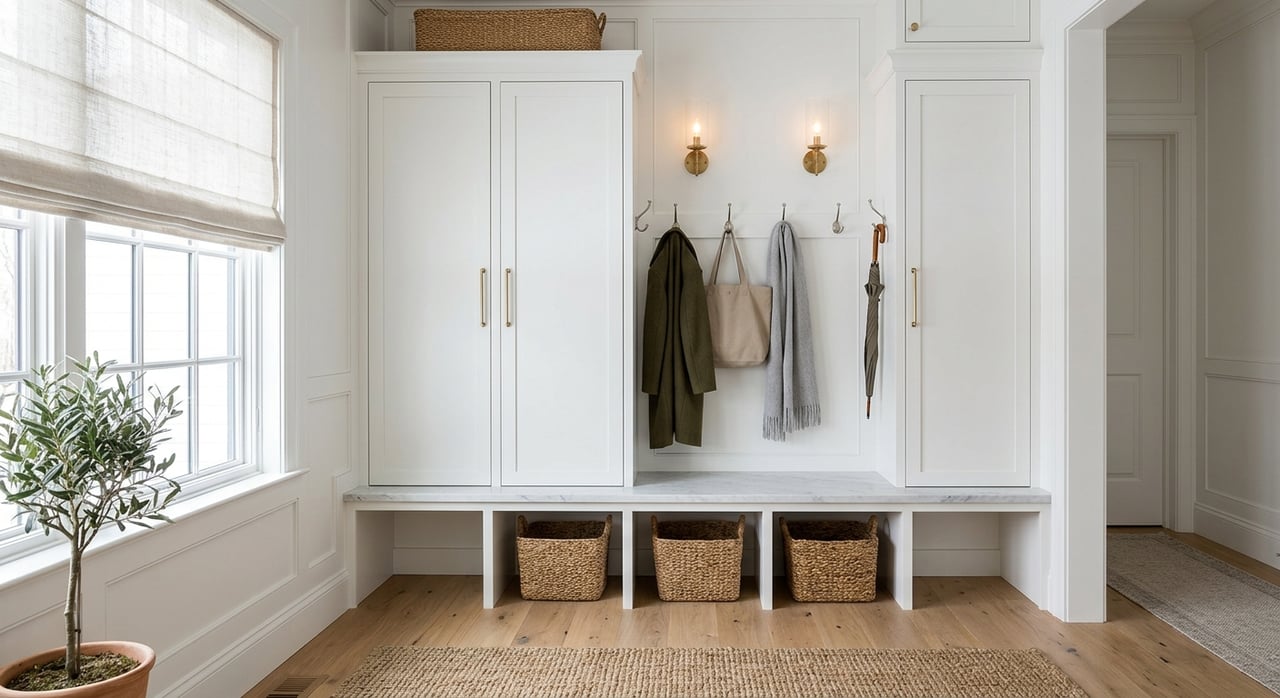
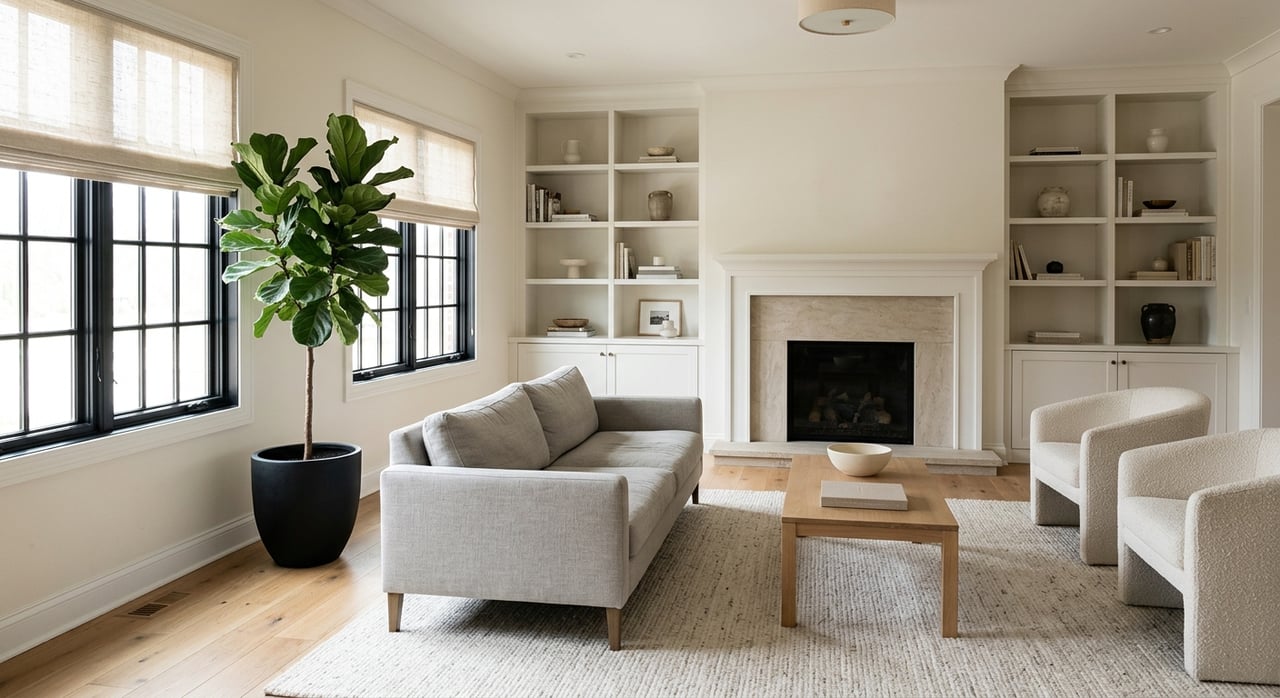
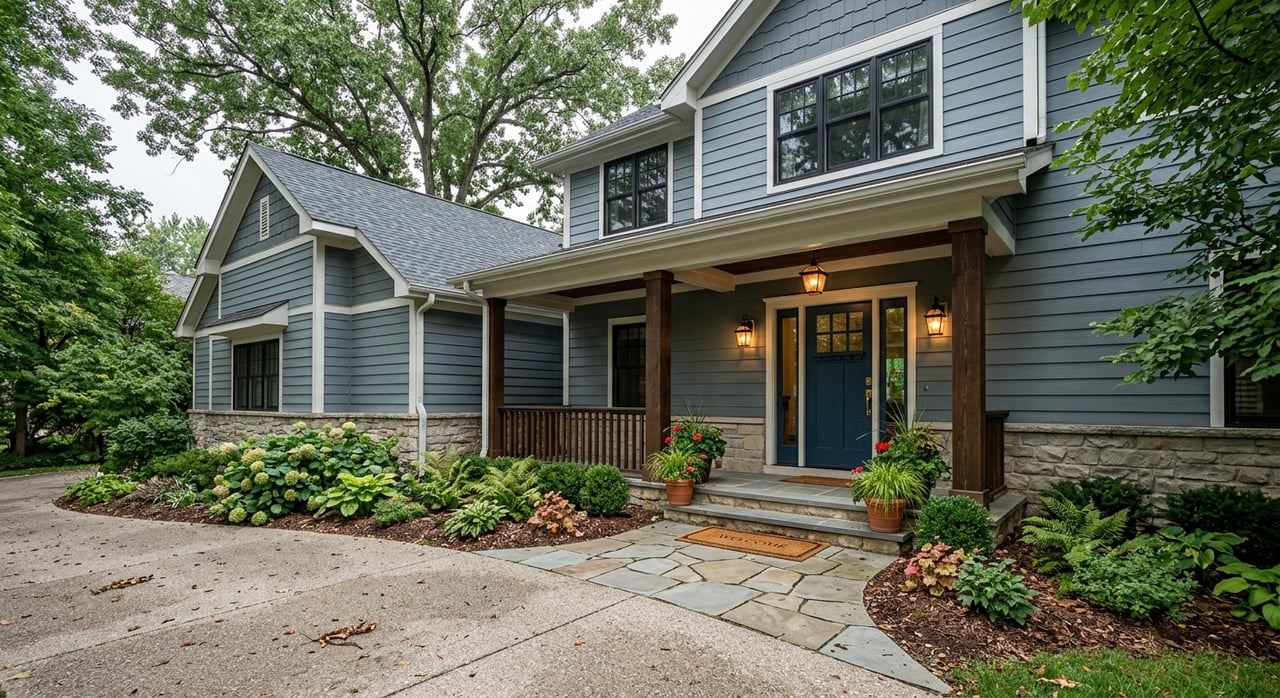
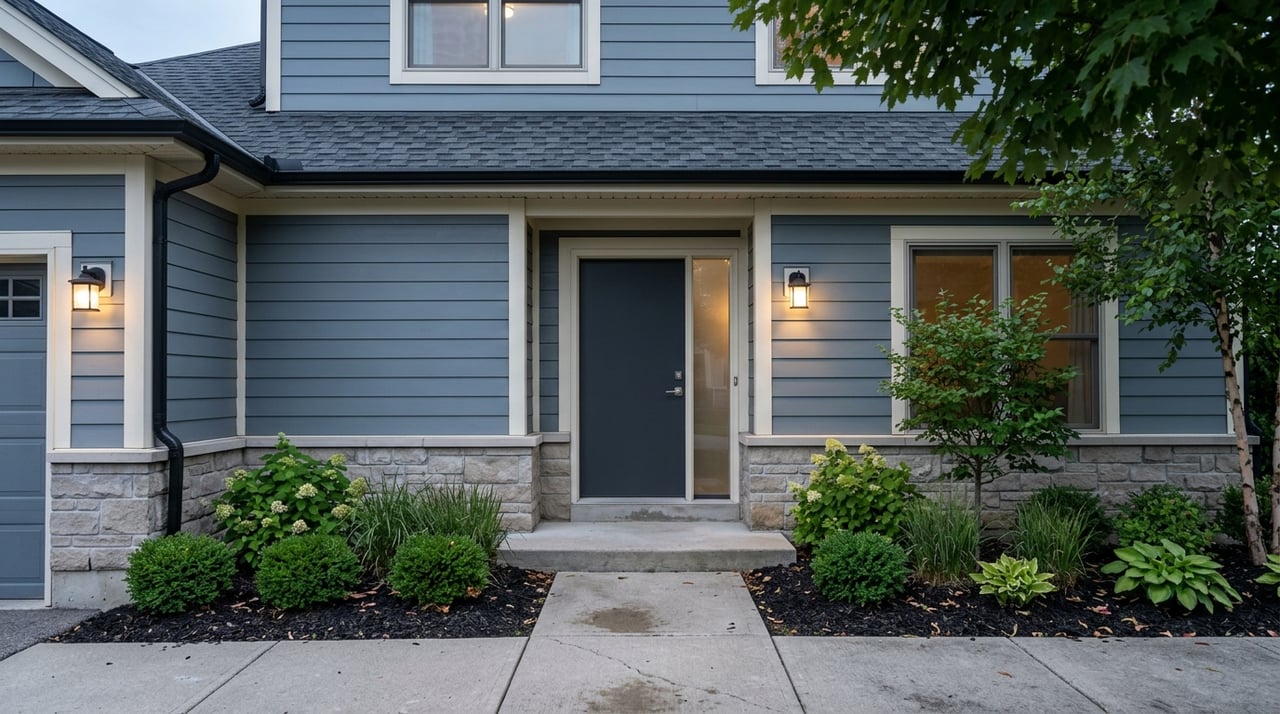
In Pleasant Prairie, attached-home options can look different from one development to the next. Some buyers picture a compact condo with shared hallways, while others want a townhouse-style home with a private entrance and attached garage. Locally, you may find both styles, along with features that feel closer to a single-family home than many buyers expect.
Recent village approvals offer a helpful snapshot. Willow Grove Condominiums is planned as 10 two-unit buildings with 20 total units, including ranch-style two- and three-bedroom homes ranging from 1,626 to 1,691 square feet, with full basements and attached garages. For buyers who want one-level living with useful storage and parking, that is a notable local example.
The Lofts at Village Green shows a different option. Village materials describe it as a 64-unit townhouse-style development with units of about 2,200 square feet, individual entrances, attached two-car garages, first-floor living spaces, three bedrooms upstairs, porches, balconies, a clubhouse, a pool, an outdoor gathering area, and a walking path. That gives you a sense of how broad the attached-home category can be in Pleasant Prairie.
Why ownership type matters
One of the most important things to understand is that the word townhome does not automatically tell you the ownership structure. In Wisconsin, a condominium is a form of ownership where you own your unit and also have an interest in common areas. According to the Wisconsin Department of Administration, those common elements can include driveways, parking areas, open space, walkways, recreational facilities, hallways, and laundry rooms.
That matters because some attached homes that are marketed like townhomes may still be legally structured as condominiums. In Pleasant Prairie, official village documents show that some newer attached-home projects are condo developments. Before you move forward, you should confirm the recorded declaration, condominium plat, and association documents instead of relying only on the marketing label.
How condo and HOA living works in Wisconsin
When you buy into a Wisconsin condominium, you are not just buying walls and floors. You are also buying into a legal structure that includes common property, shared responsibilities, and an association that governs the condominium. That association can adopt budgets, collect assessments for common expenses, and approve or withhold certain exterior changes.
In practical terms, that means monthly dues are not simply an extra housing cost. They help fund shared maintenance, common expenses, and reserve planning. Depending on the community, that may include upkeep for building exteriors, shared amenities, landscaping, or other common elements.
Association authority can also extend beyond budgets. Wisconsin guidance notes that condominium instruments control many conflicts, and the association may enter units to repair common elements when necessary, with reasonable notice in ordinary situations. That is one reason buyers should carefully review the declaration, bylaws, and other governing documents before committing.
Condo insurance basics to know
Insurance is one of the biggest differences between a condo and a detached home. The Wisconsin Office of the Commissioner of Insurance says condo owners usually buy an HO-6 policy to cover unit contents and interior improvements, while the association’s policy generally covers the basic structure and common property. This split is important because it affects both your monthly planning and your risk exposure.
You should also ask whether loss-assessment coverage makes sense for your situation. Wisconsin OCI notes that this type of coverage can help if the association levies an assessment for direct losses to common property. It is not always top of mind for buyers, but it can become very relevant in shared-property ownership.
Flood coverage deserves special attention too. OCI states that typical condo insurance does not cover flood losses. Because Pleasant Prairie includes shoreline and floodplain areas, it is smart to ask whether a specific building or unit may require flood insurance.
Townhome or condo vs. single-family home
For many buyers, the choice comes down to tradeoffs. Attached homes often offer lower day-to-day exterior maintenance and access to shared amenities, while single-family homes usually offer more private yard space and more control over exterior decisions. Neither option is automatically better. It depends on how you want to live.
Pleasant Prairie’s development pipeline helps illustrate that difference. Highland Estates includes 489 single-family lots, 11 two-family lots, and 42 condominium units in its first phase. That mix suggests buyers in the area have real choices between more independent living and more shared-maintenance ownership.
If you are a commuter, a first-time buyer, or a downsizer, an attached home may line up well with your priorities. Features like attached garages, basements, private entrances, and nearby shopping or recreation can offer a strong balance of comfort and convenience. If privacy, yard space, and fewer association rules matter most to you, a single-family property may be a better fit.
Features to compare when touring
When you tour condos and townhomes in Pleasant Prairie, it helps to go beyond finishes and staging. Focus on the features that will shape your day-to-day experience and your long-term costs. In this market, local plans show that some attached homes include features many buyers strongly value.
Look closely at practical items such as:
- Private or shared entrance
- Attached garage access
- Basement or extra storage
- First-floor living areas
- Porch, patio, or balcony
- Guest parking
- Walking paths or shared amenity spaces
These details show up in current Pleasant Prairie condo plans, but they can vary a lot by community and by unit. A home that looks similar online may feel very different once you compare layout, parking, storage, and outdoor space in person.
Questions to ask before you buy
A strong tour is not just about what you see. It is also about what you ask. The right questions can help you understand the true cost of ownership, the role of the association, and whether the property fits your lifestyle.
Start with these key questions:
- What do the monthly dues cover?
- How much is being set aside for reserves?
- Have there been any recent or planned special assessments?
- What does the master insurance policy cover?
- What items does the unit owner need to insure separately?
- Who handles roofs, siding, windows, lawn care, snow removal, and exterior repairs?
- What is the exact ownership type?
Those answers can affect your monthly budget, future maintenance expectations, and even your financing and insurance decisions. If you are comparing several properties, keep notes so you can evaluate each one on the same terms.
A smart Pleasant Prairie buying checklist
If you want a simple way to stay organized, focus on the core items that most often shape the ownership experience. Pleasant Prairie buyers benefit from looking at both the home and the community structure around it. A well-informed decision usually comes from document review as much as from the showing itself.
Use this short checklist as you narrow your options:
- Confirm whether the property is legally a condominium or another ownership type
- Review the declaration, bylaws, and association documents
- Ask for budget and reserve information
- Verify the insurance split between the association and the unit owner
- Check whether flood insurance may be needed for that location
- Visit the property at different times of day
- Pay attention to parking, noise, shopping access, park access, and proximity to I-94
If you are relocating between Illinois and Wisconsin, this step matters even more. Cross-border buyers often assume attached-home rules work the same everywhere, but ownership structure, association authority, and insurance details can vary. Having local guidance can make the process much clearer.
If you are weighing condo or townhome living in Pleasant Prairie, the right move is the one that fits your routine, budget, and comfort with shared ownership. Whether you are relocating along the Chicago to Milwaukee corridor, buying your first place, or looking for a lower-maintenance next chapter, careful comparison can help you move forward with confidence. When you are ready for local guidance and a clear plan, connect with the Renee OBrien Group.
FAQs
What does condo ownership mean in Pleasant Prairie?
- In Wisconsin, condo ownership means you own your unit and also have an interest in common areas such as parking areas, walkways, open space, or other shared elements defined in the condominium documents.
Are townhomes in Pleasant Prairie always condos?
- No. Some attached homes may be marketed as townhomes but legally structured as condominiums, so you should confirm the declaration, plat, and association documents.
What amenities make Pleasant Prairie attractive for condo buyers?
- Pleasant Prairie offers access to I-94, regional transportation options, major shopping areas, 13 parks, and RecPlex on Lake Andrea with extensive recreation facilities.
What should condo dues cover in a Pleasant Prairie community?
- Coverage varies by association, but dues generally fund common expenses, shared maintenance, and reserve planning for common elements and community assets.
What insurance should condo buyers consider in Pleasant Prairie?
- Condo owners usually need an HO-6 policy for contents and interior improvements, and some buyers should also ask about loss-assessment coverage and whether flood insurance is needed for a specific property.
What should buyers compare when touring Pleasant Prairie townhomes and condos?
- Focus on ownership type, dues, reserves, insurance responsibility, garage access, storage, private entrance, outdoor space, guest parking, and who handles exterior maintenance.