Selling your home can feel like one long question mark. How early should you start, what happens first, and how long will each step really take in Gurnee? If you want a smoother sale with fewer surprises, the best thing you can do is build your timeline before your home ever hits the market. This guide walks you through each stage so you know what to expect and where your time matters most. Let’s dive in.
Start 4 to 6 Weeks Before Listing
If you want to save time later, start early. In Gurnee, homes can move quickly when they are priced well and presented well, but your prep work still plays a big role in how smoothly your sale goes.
Current market snapshots point to a fairly active seller’s market in Gurnee. Recent data shows about 100 homes for sale, a median listing or sale price around $400,000, homes selling close to asking price, and median days on market ranging from 25 to 56 days depending on the source. That means a well-prepared home may attract attention in a matter of weeks, but launch quality still matters.
Review Your Pricing Strategy
Before you list, you need a pricing plan grounded in current local conditions. A strong price can help create early interest, while an off-target price can slow down showings and lead to adjustments later.
This is one of the most important decisions in your timeline because the first week on market often carries the most momentum. In a market where homes are already selling near asking price on average, pricing accurately from day one can help you avoid losing valuable time.
Tackle Repairs and Decluttering
Use this window to handle repairs, clear out extra belongings, and make your home easier to show. Small issues can distract buyers during tours, and clutter can make rooms feel smaller or harder to understand.
This is also the right time to depersonalize the space and focus on a clean, neutral presentation. According to the National Association of Realtors, staging includes cleaning, decluttering, repairing, depersonalizing, and updating the home.
Prepare for Staging
Staging does not always mean a full redesign. Often, it means making your home feel open, clean, and move-in ready so buyers can picture themselves living there.
That matters because 83% of buyers’ agents said staging made it easier for buyers to visualize a property as a future home. In practical terms, that can lead to stronger photos, more interest online, and better showing activity.
Gather Illinois Disclosures Early
Paperwork is not the most exciting part of selling, but it can absolutely affect your timeline. In Illinois, the residential property disclosure must be delivered before the contract is signed, and it must be updated before closing if you later learn of a new error or omission.
If your home was built before 1978, the lead-based paint disclosure package must also be provided before the contract is signed. Illinois radon rules require the state pamphlet and radon disclosure before the buyer is obligated under contract. Getting these forms ready before you go live can help prevent delays once offers start coming in.
Focus on Launch Week
When your listing goes live, your marketing has one job: create strong early traction. This is the stage where professional presentation can make the biggest difference in how many buyers notice your home and decide to book a showing.
Fannie Mae notes that a listing plan typically includes MLS exposure, open houses, virtual tours, and flyers. It also points out that once your home is live, buyers may want to tour it with little notice, so being ready matters.
Make Photos Count
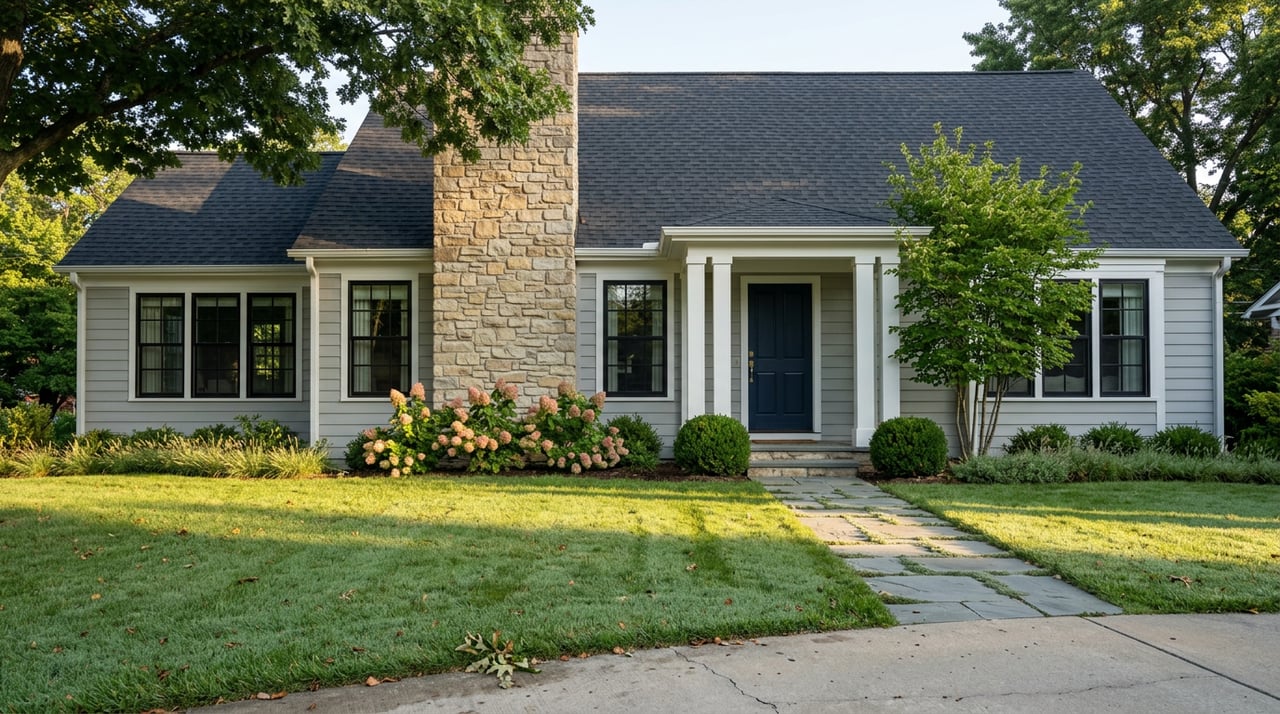
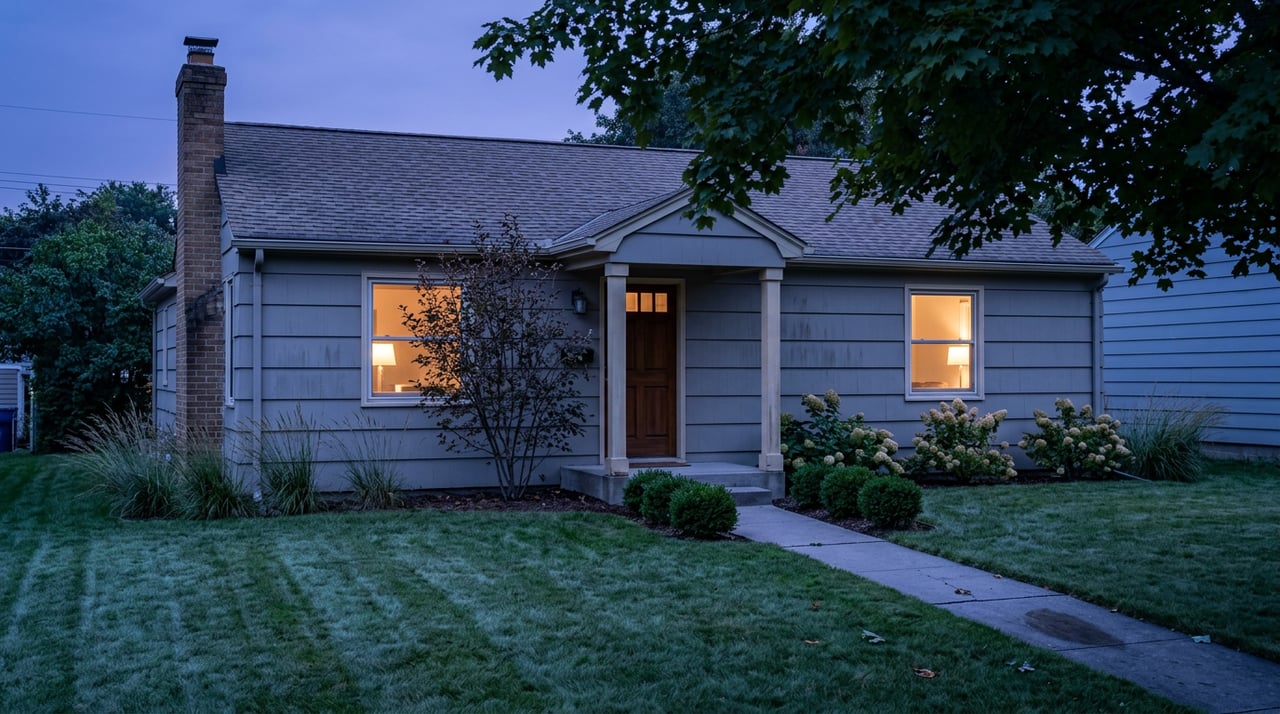
Most buyers begin online, which means your photos are often your first showing. National Association of Realtors data found that 43% of buyers first looked online for properties, and 81% rated listing photos as the most useful feature during their search.
The lead photo matters most because it can shape whether someone clicks at all. Photo order and overall presentation also affect how buyers engage with your listing in those first few days.
Expect the First 7 to 10 Days to Matter Most
The first week is not just important. It is often the most important part of your entire on-market timeline. Early activity can help your listing gain visibility in search results and alerts, which can create more saves, more showings, and more serious interest.
If your home launches with strong pricing, clean presentation, and quality photos, you give yourself the best chance to build momentum quickly. If the response is slower than expected, this is usually when your agent may recommend adjusting price, offering incentives, or refreshing the marketing approach.
Plan for Showings and Early Feedback
Once your listing is active, flexibility helps. Buyers may request tours on short notice, especially in the first days after launch when a new listing gets the most attention.
Try to keep your home tidy and easy to show during this period. The easier it is for buyers to get in the door, the more likely you are to maintain that early momentum.
Watch the Market Response
Showings, feedback, and overall interest can tell you a lot very quickly. If buyers are viewing the home but not writing offers, that may point to presentation, condition, or pricing concerns.
In Gurnee, where homes are often selling near list price on average, a lack of early traction can be a sign to act sooner rather than later. Quick adjustments are often easier than trying to revive a listing after several slow weeks.
Move From Offer to Contract
Once you accept an offer, the process is not over. This stage usually includes contract deadlines, inspection timing, contingencies, and coordination between multiple parties.
Most sellers should expect some negotiation even after accepting an offer. The contract typically includes an inspection period, a closing date, and contingency terms that can affect the path to closing.
Prepare for Inspection Negotiations
A home inspection can lead to repair requests, credits, or renegotiation. Fannie Mae notes that buyers may walk away if the inspection reveals too many issues, so this stage can be one of the biggest points of back-and-forth.
This is one reason prep work before listing matters so much. Taking care of obvious maintenance items early can reduce the chance of surprises once you are under contract.
Be Ready for Appraisal and Title Work
If the buyer is financing the purchase, an appraisal can affect the transaction. A low appraisal may lead to more negotiation, especially if the value does not support the contract price.
Title work also takes time. Before closing, title must be searched, and issues like unpaid property taxes, liens, or incorrect recordings can delay the deal until they are resolved.
Understand the Closing Timeline
Closing does not happen the day after you accept an offer. Even after the major terms are settled, there are still required documents, final approvals, and recording steps that need to happen.
Consumer guidance notes that the closing disclosure must be delivered at least three business days before closing. It also explains that closing can take several weeks as signatures are collected and the transaction moves through final steps.
Know Lake County Transfer Tax Basics
In Lake County, the county clerk collects the state and county transfer tax at recording. Deeds or transfer documents must be accompanied by Form PTAX-203 or a valid exemption, and who pays the tax is controlled by the sales contract.
The Lake County pamphlet lists the Illinois transfer tax rate at 50 cents per $500 and the Lake County rate at 25 cents per $500. It also notes that some properties may be subject to an additional local municipal tax depending on location.
What Happens at Closing
At closing, the deed is signed, delivered, and recorded with the county. Once the required documents are recorded, ownership transfers to the buyer.
For you as the seller, this is the point when proceeds are distributed and the sale is complete. While the finish line is exciting, getting there usually depends on how well the earlier parts of the timeline were handled.
A Simple Gurnee Selling Timeline
If you want a quick view, here is how the process often looks:
- 4 to 6 weeks before listing: review the market, set pricing strategy, make repairs, declutter, stage, and prepare disclosures
- Launch week: list on the MLS, publish professional photos, begin showings, and watch early traffic closely
- First 7 to 10 days on market: evaluate showing activity, buyer response, and whether any pricing or marketing changes are needed
- Offer accepted to closing: move through inspection, appraisal, title work, required documents, and final recording
In Gurnee, the biggest time-saving steps usually happen before your listing goes live. Accurate pricing, polished presentation, professional photos, and complete paperwork can help you protect momentum when it matters most.
If you are thinking about selling and want a plan that fits your timing, your home, and today’s Gurnee market, the Renee OBrien Group can help you map out the right next steps with clear guidance and hands-on support.
FAQs
How long does it take to sell a home in Gurnee?
- Recent market snapshots show median days on market ranging from 25 to 56 days depending on the source, but your timeline can vary based on pricing, condition, and how strong your launch is.
When should Gurnee sellers start preparing a home for sale?
- A good target is 4 to 6 weeks before listing so you have time for repairs, decluttering, staging, pricing strategy, and Illinois disclosure paperwork.
What disclosures do home sellers need in Illinois?
- Illinois sellers need to provide the residential property disclosure before the contract is signed, and some homes may also require lead-based paint and radon disclosures depending on the property and timing.
Why do listing photos matter when selling a home in Gurnee?
- Many buyers begin their search online, and listing photos are one of the most useful features during that search, so strong photos can help drive clicks, saves, and showings.
What can delay closing on a Gurnee home sale?
- Common delays can come from inspection negotiations, appraisal issues, title problems, missing documents, or timing around final disclosures and recording requirements.