Are you thinking about selling your vacation home in Lake Geneva, but not sure how to time it, prep it, or price it? That uncertainty is normal, especially when a second home comes with different logistics, disclosure rules, and buyer expectations than a primary residence. The good news is that with the right plan, you can make the process smoother, more organized, and more effective. Let’s dive in.
Understand the Lake Geneva market
Before you choose a list date or an asking price, it helps to look at what the current market is actually doing. In Lake Geneva, recent public market trackers show values in a fairly broad range depending on the metric used.
Zillow reported a typical home value of $419,961 as of May 31, 2026. Redfin reported a median sale price of $408,783 for the three months ending May 2026, while Realtor.com reported a median listing price of $529,000 as of May 2026. These numbers do not mean one source is right and the others are wrong. They are measuring different things, which is why your pricing strategy should rely on current comparable homes rather than one headline number.
Lake Geneva also appears to have an active market, but not one where every home sells instantly. Redfin reported a median of 40 days on market, while Realtor.com reported 53 days. That makes smart preparation and strong presentation especially important if you want to stand out.
Focus on likely buyer demand
If you are selling a vacation home, your buyer may not be local to Lake Geneva full time. Redfin migration data showed that Chicago homebuyers searched to move into Lake Geneva more than any other metro in early 2026.
That matters because many buyers may be coming from Chicagoland and shopping remotely at first. Your home may need to win them over online before they ever schedule a visit. In practical terms, that means your photos, listing details, and showing plan need to work for out-of-town buyers.
Choose the right season to list
There is no one perfect month to sell every vacation home in Lake Geneva. The better question is this: when does your property show its strongest lifestyle and condition story?
Lake Geneva is active year-round, with summer concerts, lakeside festivals, art fairs, and winter events like Winterfest. Because the area has appeal in every season, your timing should match the home’s strongest features. Waterfront homes and properties built for outdoor entertaining often benefit from spring or summer presentation, while winter listings need extra attention to snow removal, lighting, warmth, and easy access.
Build your selling plan early
Selling a second home usually takes more planning because you may not be at the property every week. If you wait until the home is live on the market to gather records, schedule maintenance, or solve access issues, the process can feel rushed.
A better approach is to create a pre-listing checklist early. That gives you time to organize the home, line up help, and make informed decisions about repairs, staging, and pricing.
Start with records and paperwork
Gather any documents a buyer is likely to ask for. This may include:
- appliance and system manuals
- warranties or guarantees
- repair invoices
- permits or records for additions or exterior work
- condo documents, if the property is a condominium
- records related to shared systems, rented equipment, or LP tanks if applicable
For vacation homes, this step is especially helpful because owners are often not nearby when buyer questions begin coming in. Having paperwork ready can save time and reduce stress during negotiations.
Consider a pre-listing inspection
A pre-listing inspection is not required, but it can help you identify issues before buyers do. A typical inspection may cover the structure, roof, plumbing, electrical, HVAC, ventilation, insulation, fireplaces, and health-related concerns such as mold, radon, lead paint, and asbestos.
Even if you do not plan to repair every issue, knowing the condition upfront can help you decide whether to fix a problem, price around it, or be prepared to offer a credit later. For a Lake Geneva vacation home, moisture intrusion, winterization, and deferred maintenance deserve close attention.
Know Wisconsin disclosure rules
Wisconsin has specific disclosure requirements for many residential sales. For one-to-four dwelling units, owners generally must provide a completed Real Estate Condition Report no later than 10 days after acceptance.
If the buyer does not receive the report within that window, they may have rescission rights. There are some exemptions under the law, but many vacation-home sellers will need to complete this form, so it is wise to prepare for it early.
What sellers often need to disclose
The Wisconsin condition report covers a wide range of property issues. Topics especially relevant to vacation homes can include:
- roof issues
- basement or foundation problems
- plumbing concerns
- moisture intrusion
- heating and cooling issues
- smoke or carbon monoxide detectors
- structural or mechanical defects
- hazardous substances such as radon, lead, mold, or asbestos
- joint wells
- rented items
- tax reassessments or special assessments
- proposed public projects
If your home is a condominium, sellers also need the condominium addendum and executive summary. Because second homes may sit vacant for stretches of time, it is smart to review the property carefully before filling out disclosures.
Lead-based paint may apply
If the home was built before 1978, federal lead-based paint rules may apply. Sellers must disclose known lead-based paint hazards, provide available records or reports, and give buyers the required EPA pamphlet before contract signing.
This is another reason to start your paperwork early. If the home is older, you do not want disclosure steps slowing down a ready buyer.
Watch for shoreland issues
If your property is lakefront or near the lake, shoreland considerations may matter. Wisconsin DNR says shoreland zoning applies to unincorporated land within 1,000 feet of a navigable lake.
That means buyers may ask about permits, records, or approvals tied to docks, shoreline work, grading, or additions. If any of those apply to your home, gather records before listing so you are ready to answer questions clearly and quickly.
Decide what to fix before listing
Many sellers ask the same question: should you repair major issues or offer a credit instead? The right answer depends on the property condition, your timeline, and how the issue affects buyer confidence.
If a problem is likely to scare off buyers during showings or inspection, fixing it before listing may help your sale move more smoothly. If the issue is costly or highly specific, you may choose to disclose it and price accordingly. The key is to make that decision strategically, not reactively.
Stage for a second-home buyer
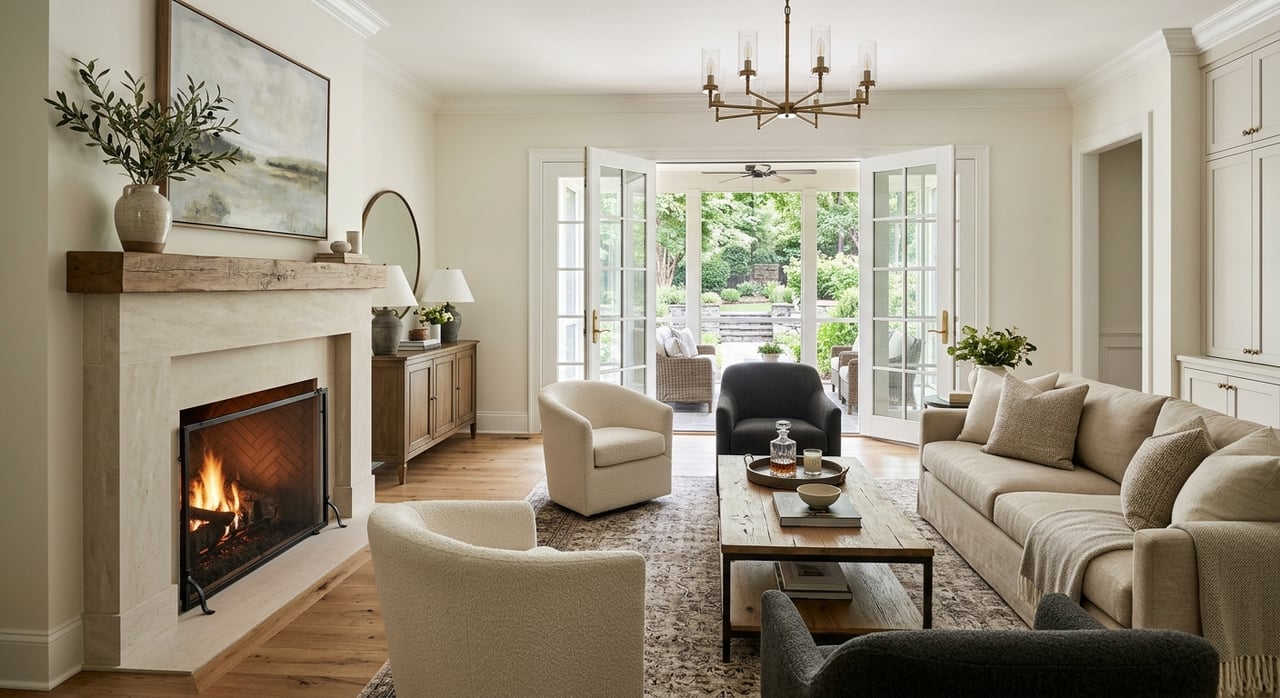
Vacation homes often sell on feeling as much as function. Buyers want to picture themselves enjoying the property, not managing someone else’s clutter or deferred maintenance.
Staging can help create that connection. According to NAR, 83% of buyer agents said staging makes it easier for buyers to visualize a property as their future home. NAR also reported that more than a quarter of professionals said staging their sellers’ homes increased offered value by 1% to 10%.
Simple staging priorities
You do not always need a full redesign. Start with the basics:
- declutter surfaces and storage areas
- clean thoroughly
- wash windows
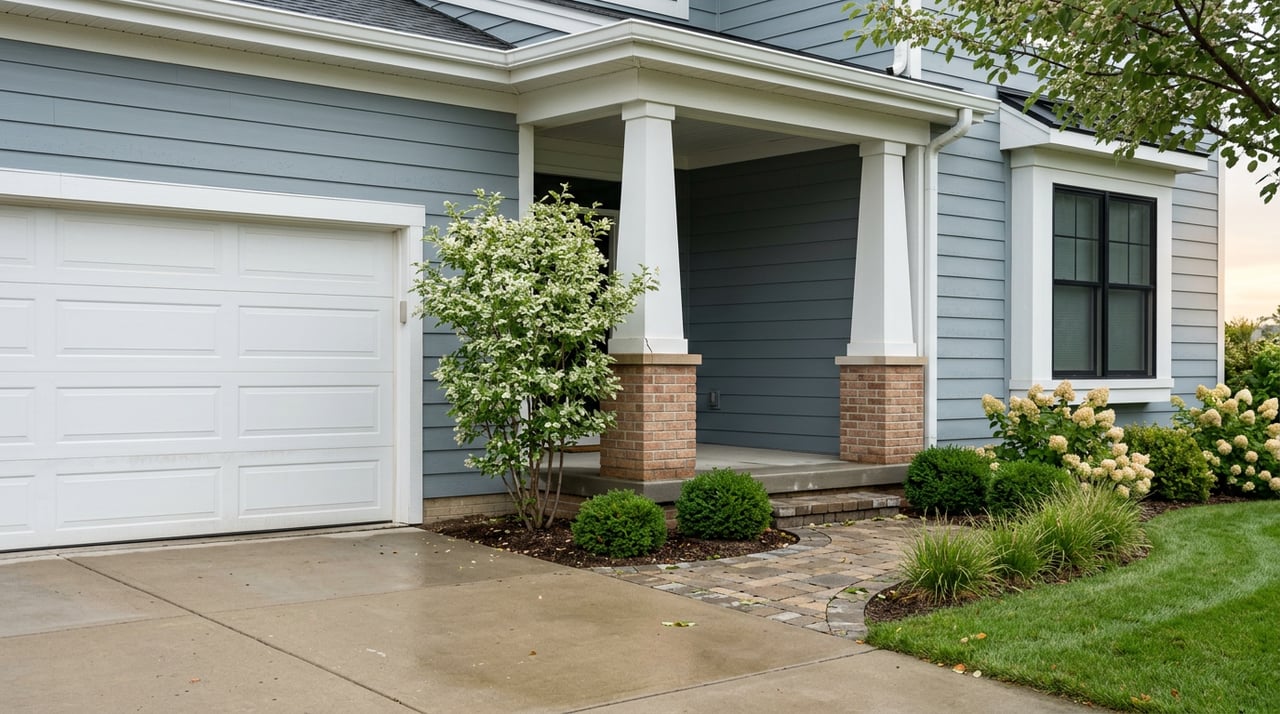
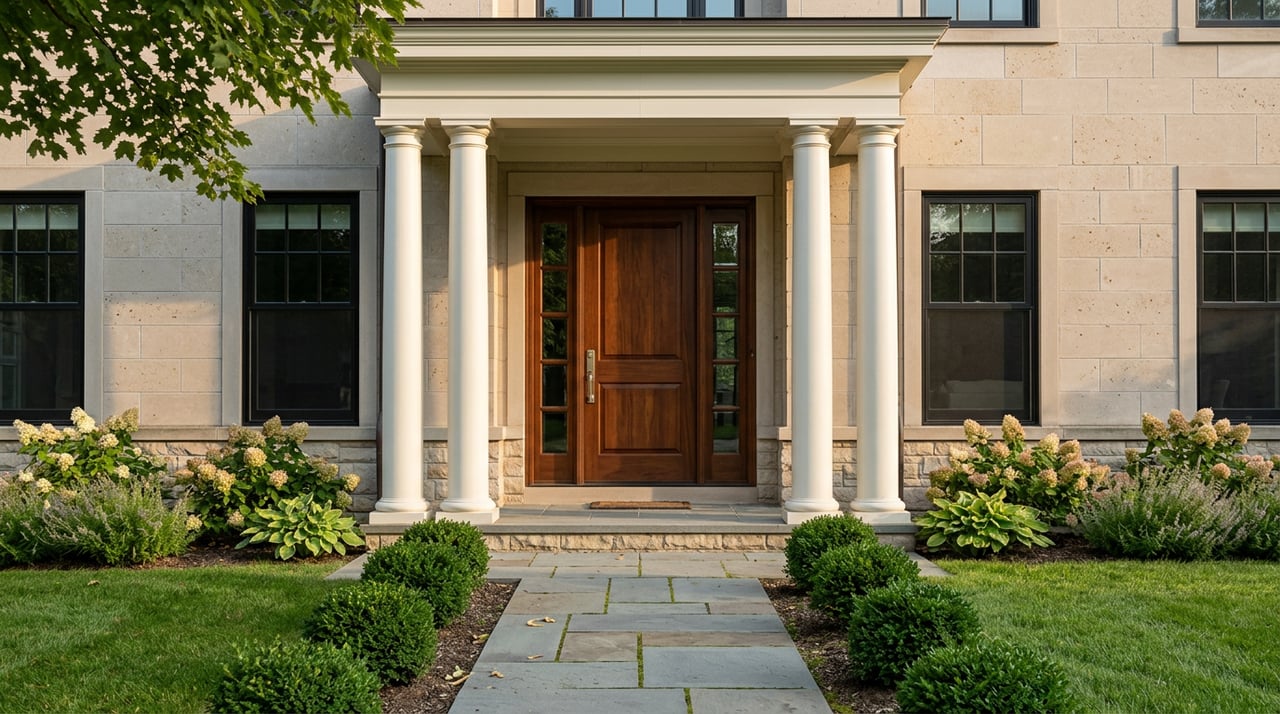
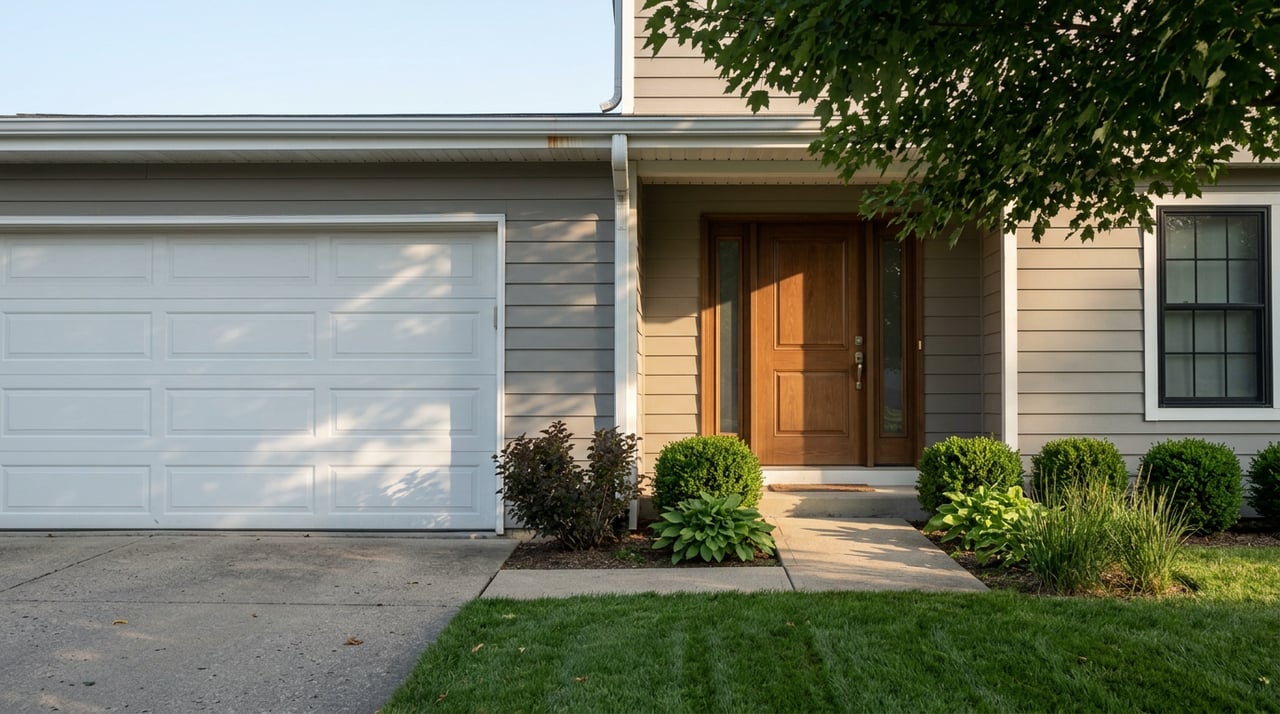
- improve curb appeal
- pack away very personal items
- create a clean, comfortable, lightly styled look
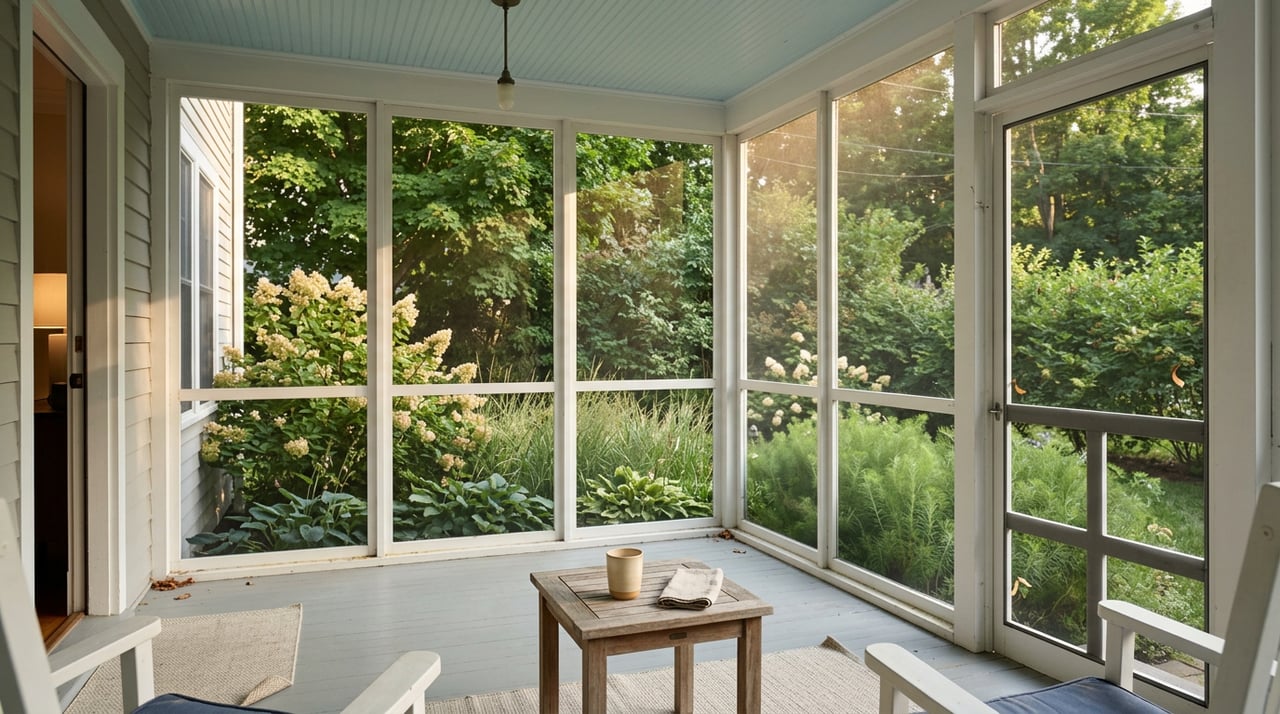
For a Lake Geneva vacation home, staging should support the property’s seasonal story. In warmer months, that may mean patios, decks, and lake-oriented outdoor spaces. In colder months, it may mean lighting, warmth, and a welcoming interior feel.
Create a local operations plan
When you are not living at the property full time, smooth operations matter just as much as marketing. A beautiful listing can still underperform if showings are hard to schedule or the home is not ready when buyers arrive.
Before listing, make a local support plan for:
- cleaning between showings
- property access
- winterization if needed
- snow removal
- lawn or exterior upkeep
- quick follow-up on inspection items
For remote sellers, this step is a major part of strategy. Buyers notice when a property feels easy to visit, well cared for, and ready for the market.
Invest in digital marketing
Because many buyers begin online, your listing needs to perform well digitally. NAR reported that 43% of buyers began their home search online in 2024.
For a Lake Geneva vacation home, that online-first behavior is even more important when likely buyers may be coming from Chicago or other nearby markets. Strong photography, accurate property details, and polished presentation can help your home earn more interest before an in-person showing ever happens.
Price with current comps, not headlines
It is easy to get pulled toward the highest market number you see online. But a vacation home should be priced based on current comparable listings, recent sales, condition, location, property type, and seasonal appeal.
That is especially true in a market where public numbers vary. A careful pricing strategy can help you avoid sitting too long on the market or pricing below what the home can reasonably command.
Plan ahead for tax questions
Selling a vacation home can bring different tax treatment than selling a primary residence. IRS Publication 523 says the home-sale exclusion applies only to a principal residence.
IRS also says a second residence such as a vacation home is a capital asset reported on Schedule D and Form 8949. If the property was rented at any point, IRS Publication 527 governs rental income, expenses, depreciation, and the split between personal and rental use. Because tax situations vary, it is smart to involve a qualified tax professional early if the home was ever used as a rental.
A smart strategy brings it together
Selling a vacation home in Lake Geneva is rarely just about putting a sign in the yard. It is about choosing the right season, preparing the home for both in-person and online buyers, organizing disclosures and records, and making the process work even if you are not nearby.
When you build a plan around market timing, strong presentation, and clear logistics, you give yourself a better chance at a smoother sale. If you are ready to map out the next steps for your Lake Geneva property, the Renee OBrien Group can help you create a marketing-first plan built around your timeline and goals.
FAQs
What is the Lake Geneva housing market like for vacation-home sellers?
- Recent data shows an active market, with public trackers placing Lake Geneva values from the low $400,000s to the low $500,000s depending on the source and metric, and homes taking about 40 to 53 days on market.
When is the best time to sell a vacation home in Lake Geneva?
- The best time depends on when your property shows best. Waterfront and outdoor-focused homes often benefit from spring or summer, while winter listings need strong preparation for snow, access, lighting, and warmth.
What disclosures are required when selling a Lake Geneva vacation home in Wisconsin?
- Many sellers of one-to-four dwelling units generally must provide a completed Real Estate Condition Report no later than 10 days after acceptance, and condo sellers also need the condominium addendum and executive summary if applicable.
What issues matter most when preparing a second home in Lake Geneva for sale?
- Common concerns include moisture intrusion, roof or foundation problems, plumbing, HVAC, winterization, smoke and carbon monoxide detectors, and any structural or mechanical defects.
What should sellers know about shoreland rules for Lake Geneva property?
- For unincorporated land within 1,000 feet of a navigable lake, shoreland zoning may apply, so it is important to gather any permits or records for docks, shoreline work, grading, or additions.
What if the Lake Geneva vacation home was rented part-time?
- If the home was rented, tax treatment may be more complex because rental income, expenses, depreciation, and personal versus rental use may need to be accounted for, so early tax guidance is often helpful.
Why does digital marketing matter when selling a Lake Geneva second home?
- Many buyers start online, and Lake Geneva attracts interest from Chicagoland shoppers, so professional photography and clear listing details can be especially important for reaching out-of-town buyers.