Thinking about living in Kenosha County, WI or Lake County, IL? You are not alone. Many buyers weigh these two neighboring markets for price, taxes, and commute. In this guide, you will see how housing styles, typical values, property taxes, and travel patterns compare so you can focus your search with confidence. Let’s dive in.
Market snapshot
- As of January 2026, Redfin reports a median sale price around the high $200s in Kenosha County, about $298,750, which keeps overall costs comparatively accessible for many buyers. Recent Kenosha County data supports this view.
- Lake County, IL shows a higher median around the mid to high $300s, about $377,000 as of January 2026, with wide variation by town. See Lake County’s current snapshot for context.
- Property taxes are a key difference. Effective rates in Kenosha County are often near 1.3 percent, while Lake County commonly ranges from about 2.1 to 2.7 percent depending on methodology. Sources include SmartAsset’s Wisconsin tax overview and ATTOM’s county comparisons.
- Commute times are comparable, but Kenosha trends a bit shorter on average. ACS data show Kenosha County near 25.1 minutes, and Lake County around 28.8 minutes. The Kenosha County profile on Census Reporter summarizes local travel time and housing stats.
Housing styles you will see
Kenosha County, WI
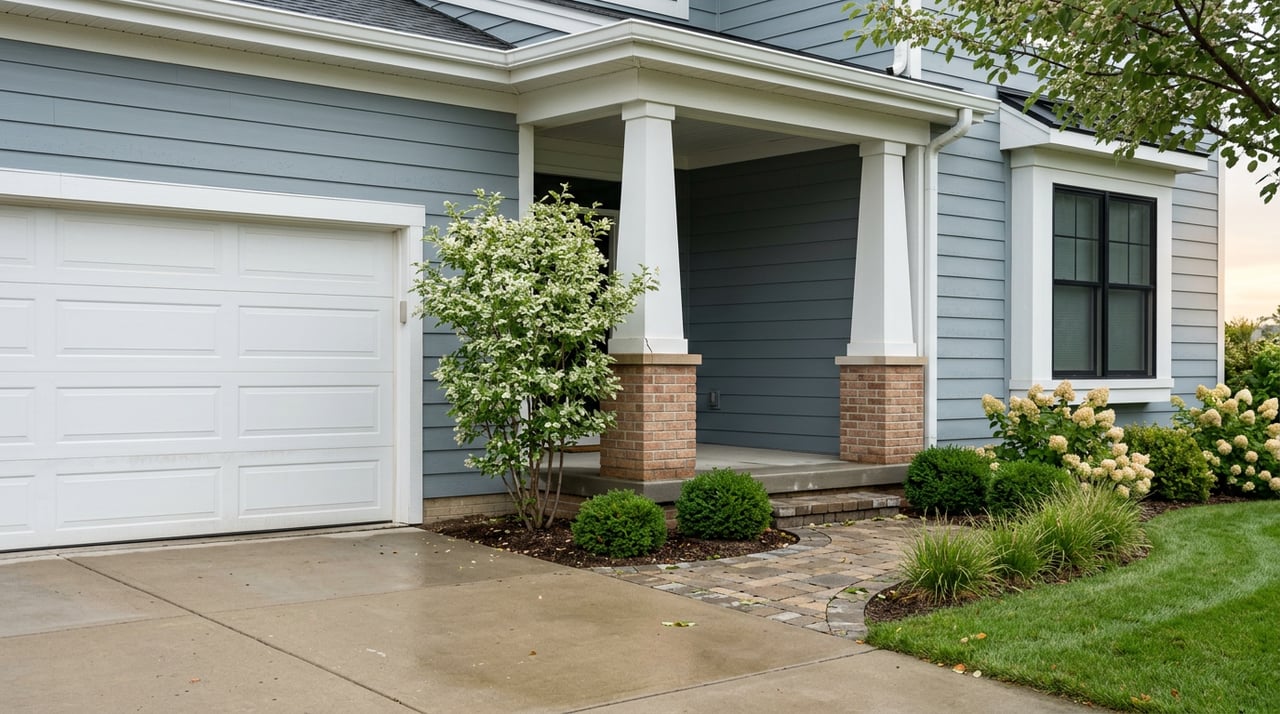
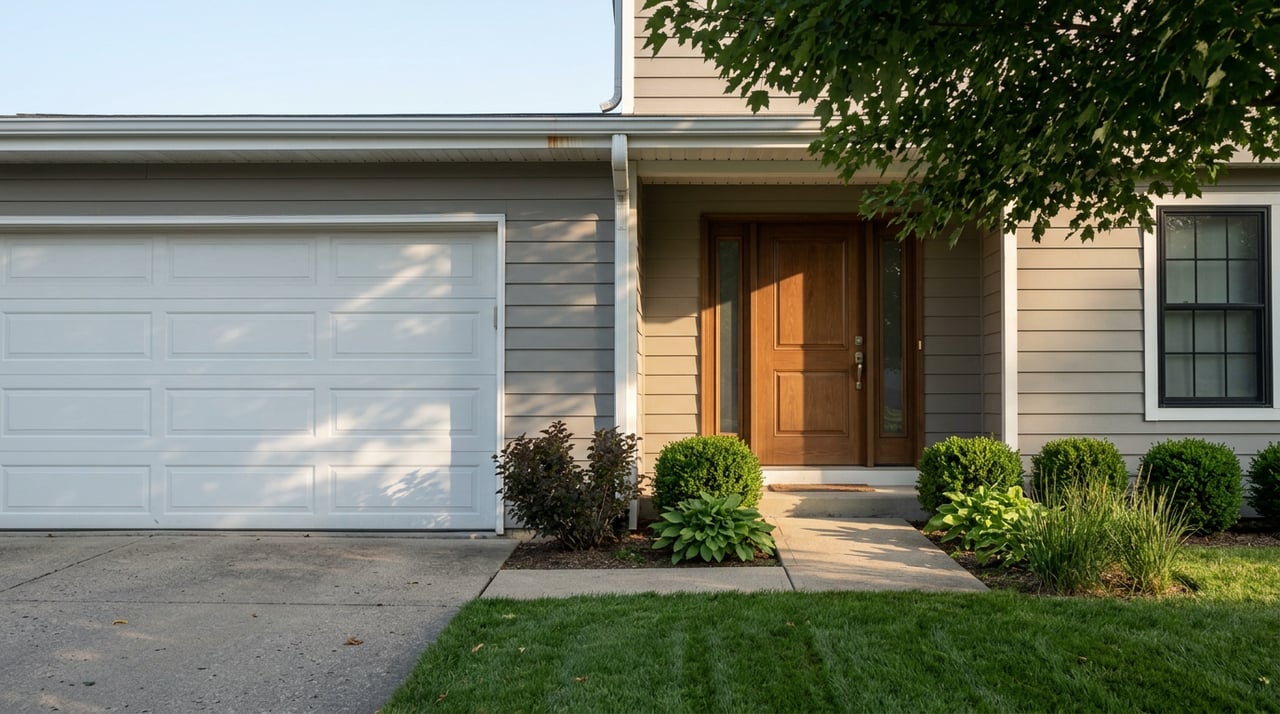
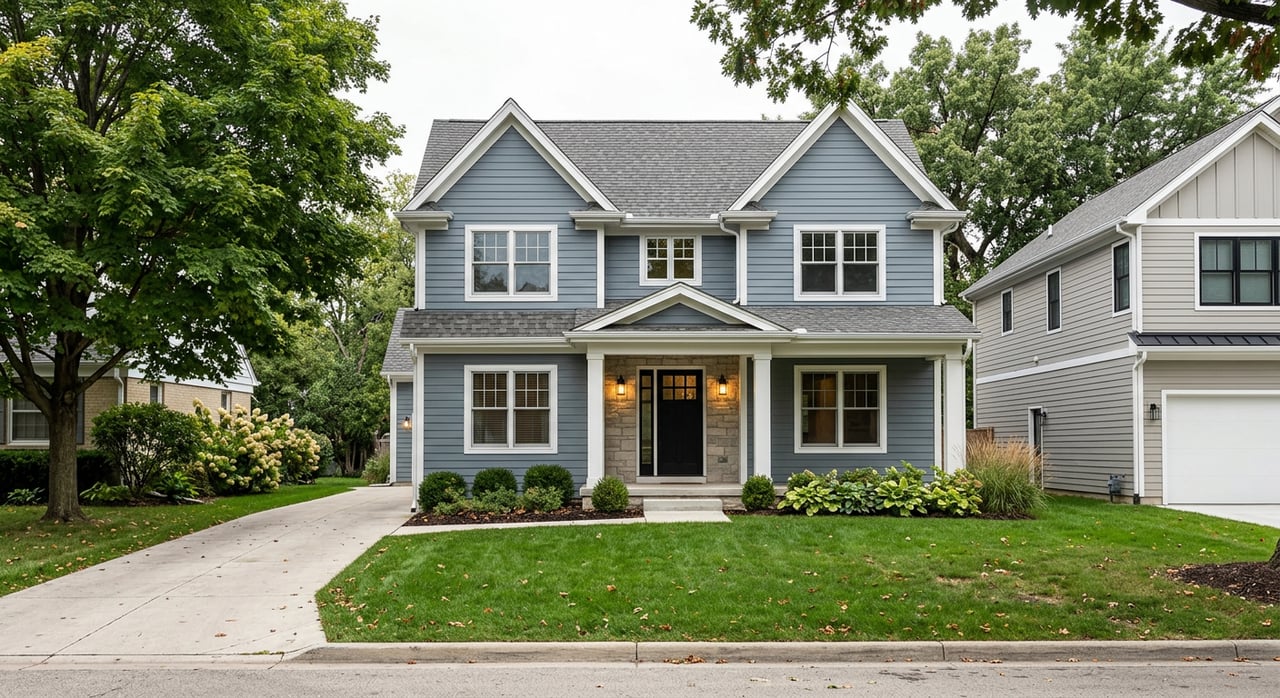
You will find a mix of character homes near the lakefront and downtown Kenosha, including early 20th century Victorians and bungalows. Suburban areas to the west of the city commonly feature single-family ranch and two-story colonial homes. Across the county, typical values trend below many Chicago-area suburbs, which can help stretch your budget.
Lake County, IL
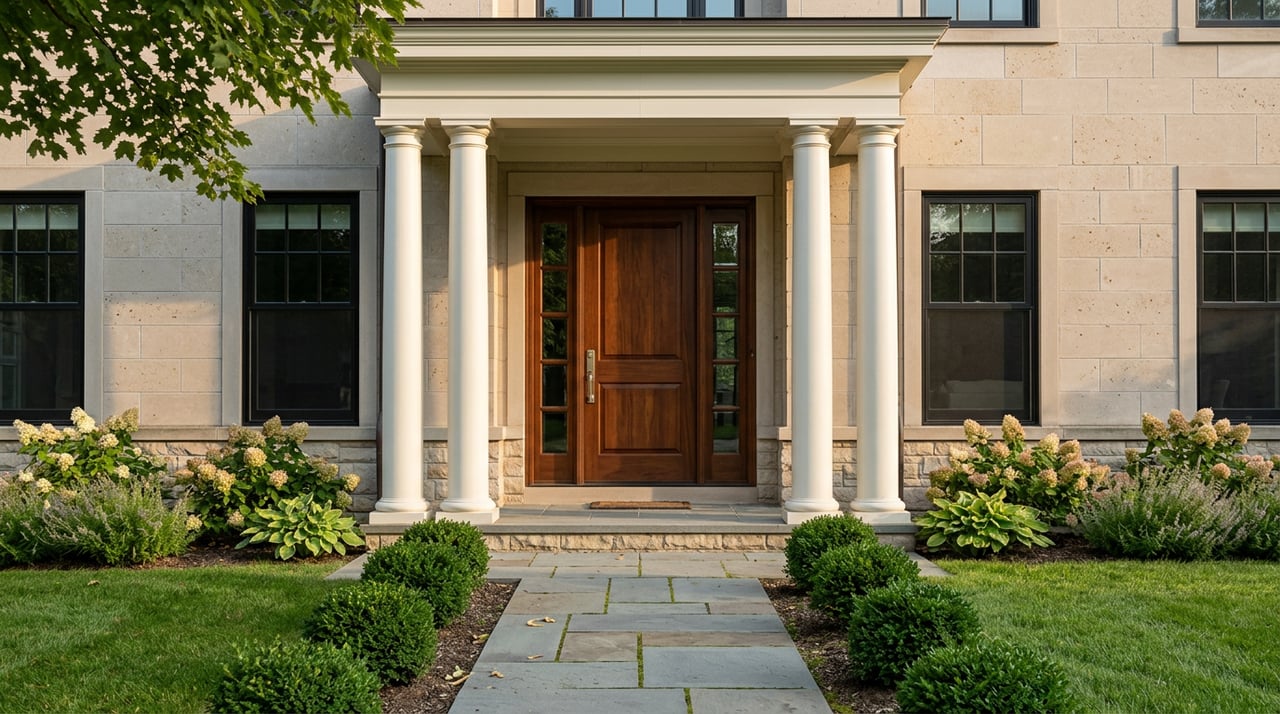
Lake County is large and varied. On the lakefront, towns like Lake Forest and Lake Bluff include higher priced estates and historic homes. In centrally located communities such as Libertyville, Mundelein, and Grayslake, you will often see 1990s and 2000s subdivisions with larger single-family homes. In more affordable pockets like Waukegan, pricing and home sizes can differ from neighboring suburbs. Expect a wide spread in prices from town to town.
What your budget buys
Kenosha County
- Entry/starter: Lower price points are more common here than across most Chicago suburbs, especially for smaller single-family homes or older bungalows.
- Typical family home: Many buyers target the county’s median range around the high $200s to low $300s for 3-bedroom single-family options.
- Premium: Newer construction, lake-proximate locations, or larger-lot homes can move well above the median.
Lake County, IL
- Entry/starter: Prices vary widely by town. Some areas may offer late mid-$200s to low-$300s starting points, depending on condition and location.
- Typical family home: Many buyers shop around the county median in the mid to high $300s.
- Premium: North Shore communities and lakefront addresses in places like Lake Forest and Lake Bluff reach far above the county median.
Note that within-county differences are significant, especially in Lake County. Town-level medians and active inventory will matter more for your search than county-wide numbers alone.
Property taxes at a glance
Effective property tax rates are a major driver of monthly costs. Third-party compilers estimate Kenosha County around 1.3 percent, while Lake County, IL often falls between about 2.1 and 2.7 percent. See SmartAsset’s Wisconsin county overview and ATTOM’s county comparisons for methodology and ranges.
- Example math: On a $300,000 home, a 1.3 percent effective rate is about $3,900 per year. A 2.3 percent rate is about $6,900 per year. These are illustrations only.
- What to do next: Request the most recent tax bill for any property you are considering. Call the local assessor or treasurer to ask how assessments and exemptions work and what to expect after a purchase.
Commute and transit
Travel times and cross-border flows
Average commute times are similar, with Kenosha slightly shorter on aggregate. Kenosha also has strong southbound commuter flows, and a notable share of residents travel into Illinois for work. One regional analysis cites about 27 percent of Kenosha workers commuting to Illinois, which helps explain its Chicago-oriented ties. See the Marquette University regional write-up for context. For detailed local travel time data, review the Kenosha County ACS profile.
Rail options and practical notes
- Kenosha: Metra’s Union Pacific North line runs to and from Chicago with Kenosha as the northern terminus. Service north of Waukegan is more limited, so verify train counts and timing on the UP-N route. Driving to Milwaukee is often shorter than driving to downtown Chicago for many Kenosha addresses.
- Lake County: Multiple Metra lines and many stations serve towns across the county, including Waukegan, Lake Forest, Libertyville, Grayslake, Mundelein, and Antioch. If frequent rail access to downtown Chicago is a top priority, you will have more options in Lake County.
Process basics across state lines
Typical timeline
Financed purchases commonly close in about 30 to 45 days from contract to keys, with cash closings often faster. Timelines depend on loan underwriting, inspections, title work, and local conditions. For a quick overview, see this summary of closing steps and timing norms. Here is a general guide.
Disclosures
- Wisconsin: Sellers typically provide a Real Estate Condition Report. State rules and the standard RECR form define what must be disclosed and when updates are required. Learn more about how the RECR works in Wisconsin from this legal overview of recent form updates. Wisconsin RECR background.
- Illinois: Sellers comply with the Residential Real Property Disclosure Act. The statute requires written disclosures about material defects and certain environmental matters. See a summary of Illinois requirements here. Illinois disclosure summary.
Customary contingencies such as inspection, financing, and appraisal appear in both states. Who conducts the closing can vary by local practice and lender, so ask your agent what is typical for the town and contract type you are using.
How to choose: a quick guide
Lean toward Kenosha County if you want:
- Lower typical purchase prices.
- Lower estimated property tax bills in many cases.
- Shorter drives to Milwaukee with a direct but limited Metra link to Chicago.
Lean toward Lake County, IL if you want:
- More frequent direct rail options to downtown Chicago.
- A broad range of suburban neighborhoods and price points, including higher priced lakefront towns.
- More choices across many Chicago-area school districts and communities.
Next steps for a confident move
- Pull the most recent tax bill for any address you like. Ask the assessor how assessments and exemptions work.
- Compare town-level medians, days on market, and current listings where you plan to shop.
- Test the commute during your actual schedule, both by car and by Metra if rail matters.
- Speak with a CPA about cross-state tax questions and a real estate attorney about contract specifics.
You do not have to navigate this alone. If you are weighing Kenosha County against Lake County, a local, bi-state team can help you align budget, taxes, and commute with the right neighborhood fit. Reach out to the Renee OBrien Group to map your options and move forward with clarity.
FAQs
What are the current median home prices in Kenosha County and Lake County?
- As of January 2026, Redfin reports about $298,750 in Kenosha County and about $377,000 in Lake County, IL, with wide town-by-town variation.
How do property taxes compare between Kenosha County, WI and Lake County, IL?
- Estimates show Kenosha near 1.3 percent effective rates and Lake County often between 2.1 and 2.7 percent, which can mean much higher annual bills in Lake County.
What are the main commute options from Kenosha to Chicago and Milwaukee?
- Kenosha is the Metra UP-N terminus with limited service and offers a shorter drive to Milwaukee; many Lake County towns have frequent Metra service to downtown Chicago.
What home styles are common in each area?
- Kenosha features historic Victorians and bungalows near the lakefront plus ranch and colonial homes in suburbs; Lake County ranges from lakefront estates to larger 1990s–2000s subdivisions.
How long does a typical closing take in Illinois and Wisconsin?
- Most financed transactions close in about 30 to 45 days in both states, depending on loan, inspections, title work, and local conditions.